
Maryland building owners are entering a new kind of compliance cycle. For years, many owners have treated benchmarking as a paperwork exercise: gather utility information, upload the data, submit the report, and move on. Maryland BEPS changes that mindset. The first filing matters, but it is not the finish line. It is the beginning of an annual compliance obligation that will continue to affect covered buildings year after year.
Under Maryland Building Energy Performance Standards (BEPS), covered buildings are generally buildings in Maryland with 35,000 square feet or more of gross floor area, excluding parking garage area, subject to certain exemptions. The Maryland Department of the Environment (MDE) has also made clear that the benchmarking deadline for 2026 and each year after is June 1. For the 2026 cycle, additional guidance has created a very specific compliance issue around timely submission, third-party verification, and the annual reporting fee.
That is why building owners should not look at BEPS as a one-time filing problem. A single report may get a building through one deadline, but it does not automatically protect the asset from future data issues, performance exposure, or compliance confusion. The smarter approach is to treat the first filings as the foundation for a continuing compliance strategy.
Benchmarking is only useful when the information behind it is correct. The building profile, gross floor area, property use type, meter data, occupancy details, and Unique Building ID (UBID) all have to make sense together. If one of those inputs is wrong, the report may still be submitted, but the building may not be accurately represented.
This matters because BEPS is not simply asking owners to report energy use. Maryland is using building data to measure performance and move covered buildings toward long-term emissions requirements. MDE describes the program as part of a path toward a 20 percent reduction in net direct greenhouse gas emissions by 2030, compared with 2025 levels for average buildings of similar construction, and net-zero direct greenhouse gas emissions by 2040.
In simple terms, the report is not just a form. It is the building’s compliance record. If the record starts with bad data, future decisions may be based on bad assumptions.
The first full benchmarking cycle can create a baseline that owners, managers, consultants, and regulators may continue to reference. That means mistakes can follow the building. A wrong property type can affect performance comparisons. Missing meters can understate or overstate consumption. Incorrect square footage can distort intensity metrics. A UBID mismatch can create administrative confusion when forms, dashboards, payments, or corrections are required.
For an owner with multiple buildings, this gets even more complicated. One property may be clearly covered. Another may need an exemption review. A third may have a building-list issue or a campus-style utility setup. Treating each building as a quick upload can leave ownership without a clear portfolio view.
The better question is not only, “Was the report filed?” The better question is, “Is the building’s BEPS record correct, defensible, and ready for the next cycle?”
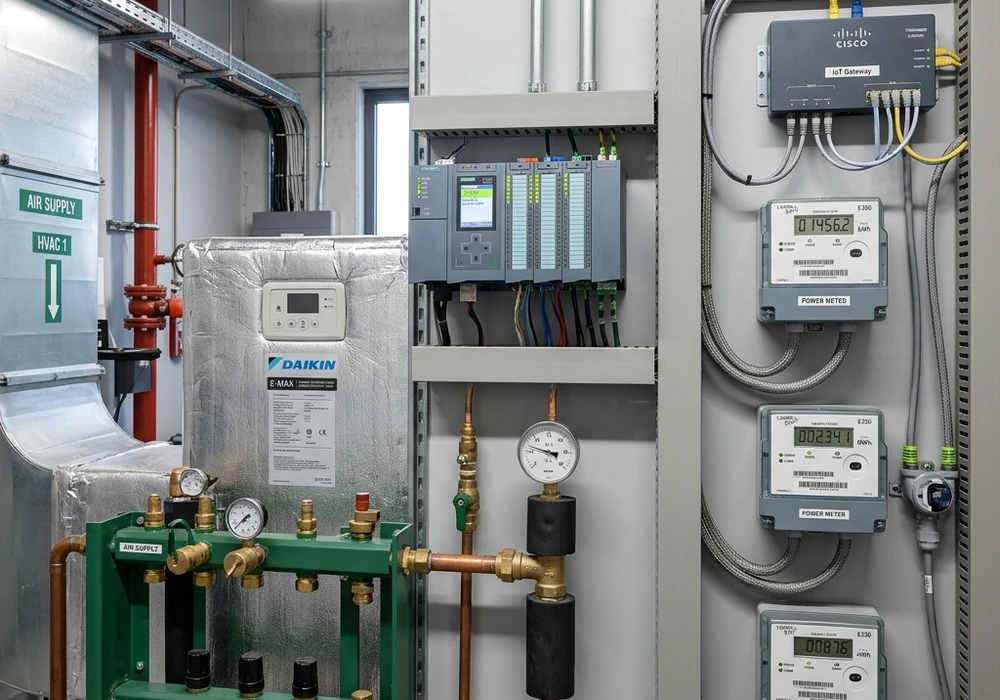
Because benchmarking is annual, owners need a repeatable process. Someone has to know where utility data is coming from, who controls the ENERGY STAR Portfolio Manager account, who is authorized to submit information, where supporting documents are stored, and whether building characteristics have changed since the last filing.
This is especially important when buildings change ownership, management companies switch, tenants change, meters are added or removed, or the building undergoes renovations. A report from one year may not be safe to copy forward without review. Annual compliance requires annual confirmation.
Owners should also remember that the reporting fee is not the real issue. The $100 annual fee per covered building is an administrative requirement. The larger issue is whether the building’s data, status, and future exposure are being reviewed properly. Paying the fee without confirming the filing details does not protect the asset.
The reason BEPS matters is that it connects reporting to future performance expectations. A building may be able to file today while still being poorly positioned for future standards. Owners who wait until performance standards become the urgent issue may have far less time to correct mechanical, operational, or fuel-related concerns.
That does not mean every building needs a major capital project immediately. It does mean every covered building should understand where it stands. Is the building using more energy than expected? Are emissions tied to direct fossil fuel use? Is the property type entered correctly? Are there operational improvements that could reduce waste? Are there practical steps that can be planned before compliance pressure increases?
A clean benchmarking process gives ownership the information needed to answer those questions. A rushed filing does not.
Owners should begin by confirming whether the building is on the Maryland BEPS Covered Building List and whether the UBID is correct. From there, the building’s Portfolio Manager setup should be reviewed against actual building conditions. Utility meters should be checked for completeness. Property use types and floor areas should be verified. Any exemptions, corrections, or special circumstances should be addressed before the deadline creates unnecessary pressure.
For owners with multiple Maryland properties, it is also worth creating a portfolio-level BEPS tracker. This should show which buildings are covered, which have been benchmarked, which need third-party verification, which have fee/payment items outstanding, and which may require future performance planning.
The goal is not simply to submit a report. The goal is to avoid confusion, protect the asset, and build a compliance record that can stand up over time.
The Cotocon Group can help Maryland building owners review their BEPS status, confirm UBID information, evaluate Portfolio Manager setup, organize utility data, and understand the building’s annual reporting obligations. For ownership groups, property managers, and asset managers, Cotocon can also help create a clear roadmap so that BEPS does not become a last-minute annual scramble.
Maryland BEPS is now part of building ownership. One filing may close one task, but it will not protect the building forever. The owners who act early will have better data, better visibility, and a stronger position as the program moves forward.
Call to action: If your Maryland building is covered under BEPS, do not stop at “filed.” Contact The Cotocon Group to review your building’s status, confirm the data, and build a clear annual compliance pathway.